
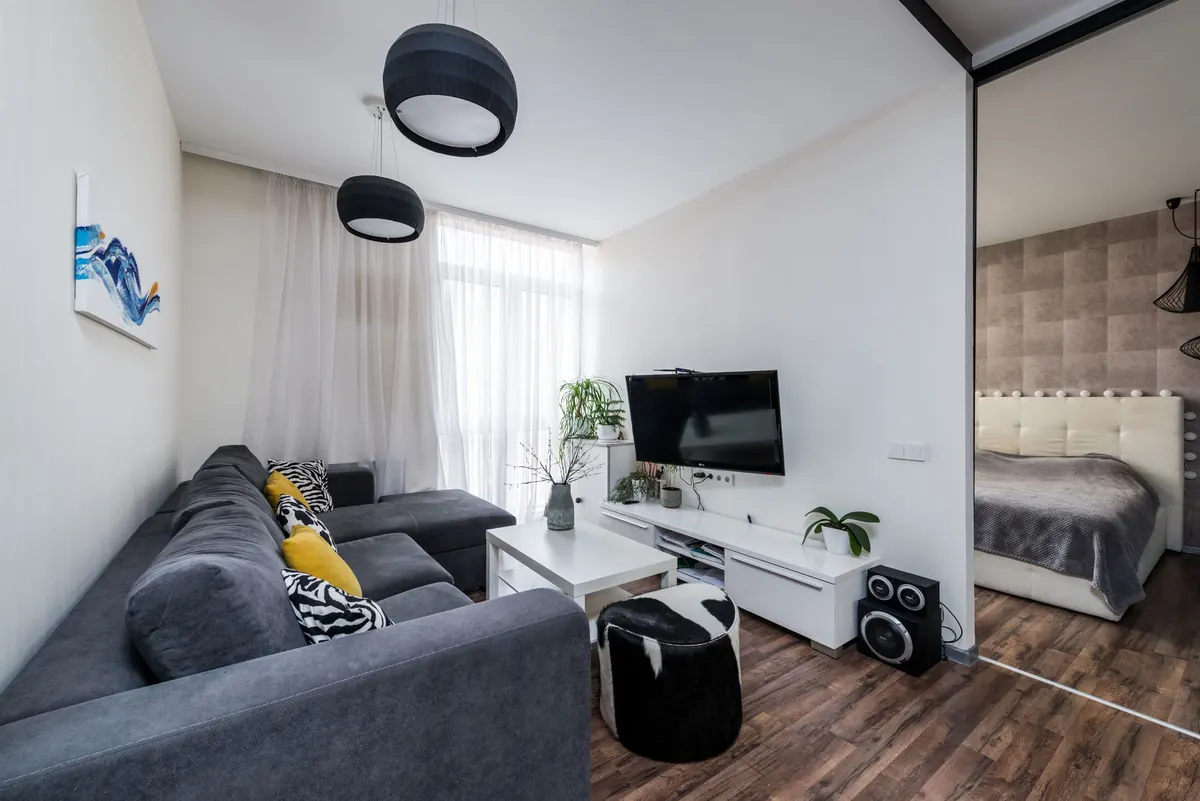


The Complete Checklist for Buying a Sofa You Won’t Regret

A sofa is the most-used, most-sat-on, most-napped-on piece of furniture in most homes, and it is also one of the hardest things to return. You can't box it up and drop it at the post office. So the time to be picky is before you pay, not after the thing is wedged in your doorway with the delivery crew waiting. The good news: buying a sofa you won't regret has surprisingly little to do with taste and a lot to do with measurements, materials, and logistics.
Measure the Room Before You Measure the Sofa
Start with painter's tape. Lay out the exact footprint of the sofa you're considering on your floor and leave it there for a day or two. Walk around it, set a coffee table inside it, and notice whether you now have to sidestep to reach the window. A sofa that looks generous in a showroom can swallow a small living room whole.
Two clearances matter more than any other number. Main walkways through the room generally want 30 to 36 inches so two people can pass. Between the sofa's seat edge and a coffee table, 14 to 18 inches is comfortable for most adults to sit down and stand up without barking a shin.
The numbers worth writing down
- Overall width and depth. Include the arms, and if it reclines, measure it fully extended — recliners need several inches of clearance behind.
- Seat depth. About 20 to 22 inches suits most people. Deep seats (24 inches and up) feel luxurious for lounging but leave shorter sitters propped on cushions rather than supported.
- Seat height. Floor to the top of the cushion usually lands between 17 and 19 inches. If anyone in the house has knee or hip trouble, a higher seat is far easier to rise from.
- Back height. Low backs open up a space but give your head nothing to lean on. High backs feel cocooning and can block sightlines across an open-plan room.
- Arm height. Low enough to rest a mug comfortably, high enough to lean against without your elbow slipping off.
Measure the Delivery Path, Too
This is the step people skip, and it's the one that ruins a Saturday. Walk your own route with a tape measure: front door width with the door open, hallway pinch points, stairwell turns, elevator interior, and the last tight corner into the room. Measure the narrowest point, then subtract a couple of inches for hands and packing blankets.
If the numbers are close, ask about workarounds. Legs that unscrew, arms that detach, or a modular design that arrives in sections can turn an impossible sofa into a straightforward one. Anything made in one solid piece is the risky version.
Fabric: Choose for the Household You Have
Ask for the rub count — a rough measure of how much abrasion a fabric survives. High-traffic family rooms call for the tougher end of the range; a formal sitting room that sees occasional use can handle something more delicate. Also ask about the weave: tight weaves resist snags and spills better than loose, open ones.
- Performance weaves. Liquids tend to bead up and wipe away. They can feel slightly synthetic, but they earn their keep with kids and pets.
- Leather. Wipes clean, ages with character, and shows scratches — which some people love and others don't. It also feels cool in winter.
- Wool. Durable, dirt-resistant, and warm, with a bit of natural pilling early on.
- Linen and cotton. Beautiful and breathable, but they wrinkle, stain, and fade. Best in low-traffic rooms or under washable slipcovers.
- Velvet and bouclé. Soft and current. Velvet shows crush marks and footprints; bouclé snags on claws, zippers, and belt buckles.
Order swatches before you commit. Tape them to the spot where the sofa will live, live with them for a week in daylight and lamplight, rub each one hard against denim, and drop a little water and coffee on it. If the covers zip off and can be washed or dry-cleaned, that's a meaningful bonus worth asking about directly.
What's Inside: Frame, Fill, and Suspension
Upholstery hides a lot, so ask questions and then test with your hands. A good frame is kiln-dried hardwood with joints that are glued and screwed or doweled, reinforced at the corners. Press down on one front corner and lift slightly — the sofa should feel rigid, not twist like a loose ladder. Particleboard and staples alone are a short-term proposition.
Cushions are where sofas quietly fail. High-resilience foam holds its shape; low-density foam feels wonderful in the showroom and flattens within a year or two. Foam wrapped in down or fiber feels plusher without collapsing. All-down cushions are the softest option, but they need fluffing most days and gradually sink. Zippered cushion covers are a small detail with a big payoff, since you can replace the fill instead of the whole sofa.
Suspension matters just as much. Sinuous springs are standard and perfectly serviceable. Eight-way hand-tied springs are the traditional, expensive benchmark. Webbing and elastic grids are budget solutions that tend to sag first. Sit down hard in a few spots and listen for squeaks or a feeling of hitting the bottom.
Sit on It Like You Mean It
Ten minutes, minimum. Sit the way you actually sit at home: feet tucked up, curled into a corner, or stretched out if you nap there. Bring the pillow you use. Check whether the back reaches your shoulders, whether your feet rest on the floor, and whether you have to shove yourself forward to stand. Notice the arm fabric against bare skin, and whether the back cushions stay put or slide down every time you lean back. If it reclines, try it fully open and confirm it clears the wall.
Delivery, Lead Times, and the Fine Print
Ask whether the sofa is in stock or made to order. Made-to-order pieces can take many weeks, and a promised date is not the same as a scheduled window. Get the details in writing:
- White-glove delivery (placed, assembled, packaging removed) or threshold drop-off?
- Any fees for stairs, elevators, or a long carry from the truck?
- Building requirements — proof of insurance, elevator padding, delivery hours?
- Will they remove your old sofa?
- Return window, restocking fees, and whether custom fabric orders are final sale.
- What the warranty covers: frame, cushions, and fabric are usually separate, and many are voided by unapproved cleaning products.
Keep the receipt, the fabric tag, and the care instructions tucked somewhere safe. If you ever need a repair or a replacement cushion, that paperwork is what gets it done.
The Five-Minute Pre-Purchase Check
Before you hand over a card, run through this once: tape the footprint and live with it; measure the narrowest point on the delivery path; confirm seat depth and height against the people who use the room most; ask for rub count, foam density, and frame material; order and test a swatch; sit for ten minutes; and get lead time, delivery type, and return terms in writing. If a salesperson can't answer those questions, that tells you something too. Do the boring homework once, and you'll end up with a sofa you stop noticing — in the best possible way.
Photo: Kranich17 / Pixabay